



“When something is in nearly everything we buy, its impact is impossible to ignore.”
Palm Oil Is Everywhere
Palm oil is one of the most common ingredients on Earth, and most people consume or use it without even realising. It turns up in close to 50% of packaged supermarket products, from chocolate, biscuits and ice cream to shampoo, lipstick and toothpaste. That reach is exactly why it has become such a powerful environmental story: when demand is this huge, the damage tied to bad production can also be enormous.
The Real Problem Behind Palm Oil
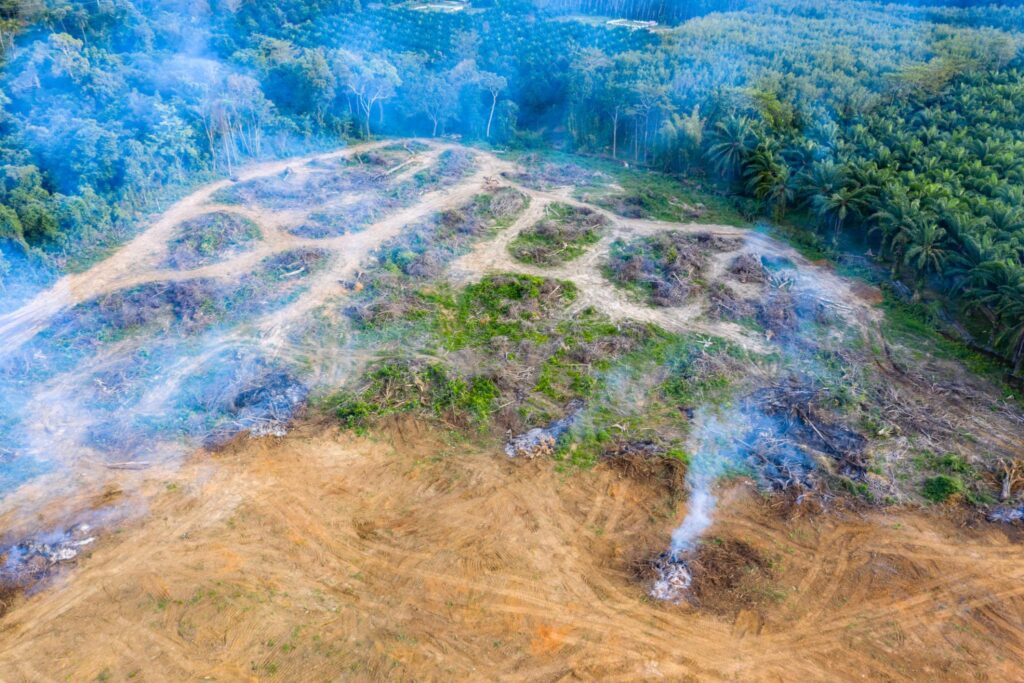
The biggest problem is not that palm oil exists. The real problem is how much of it has been produced through deforestation and the destruction of tropical rainforest in Indonesia and Malaysia, the two countries that dominate global supply. WWF says palm oil has been and continues to be a major driver of deforestation in some of the world’s most biodiverse forests, wiping out habitat used by species including orangutans, pygmy elephants and Sumatran rhinos.
“The issue isn’t the ingredient — it’s the destruction behind it.”
Why Orangutans Are at Risk
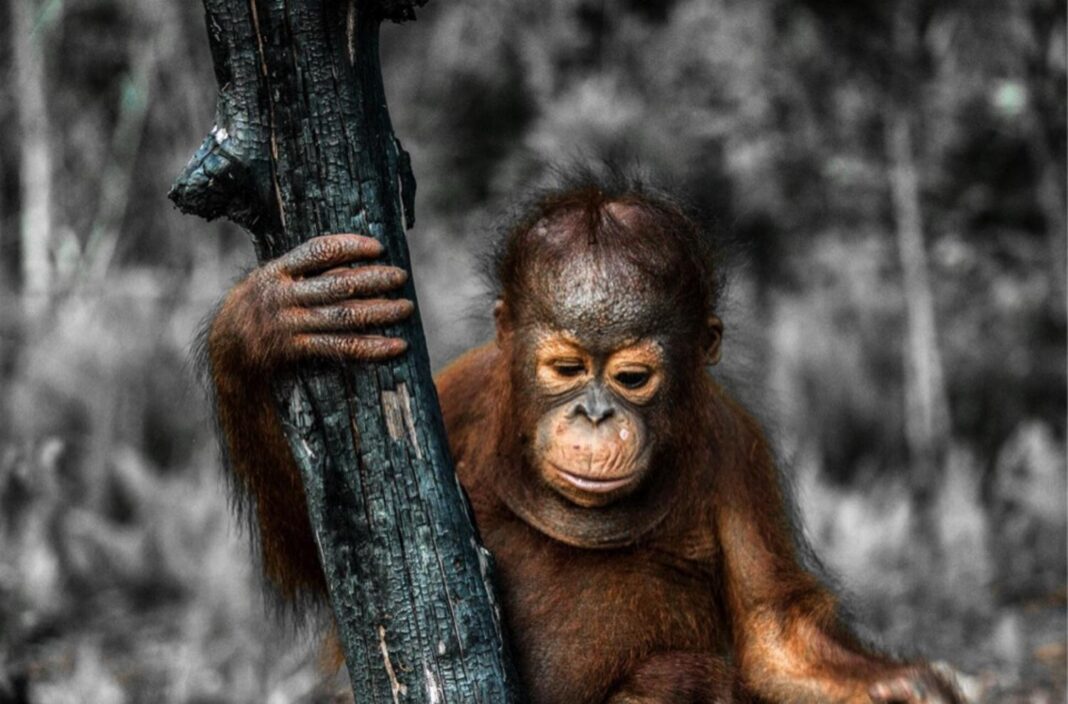
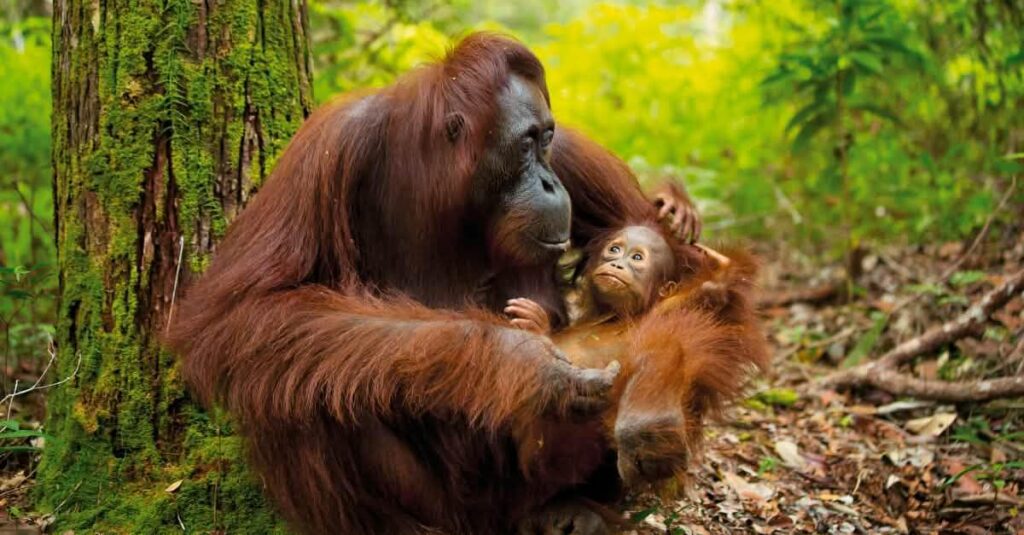
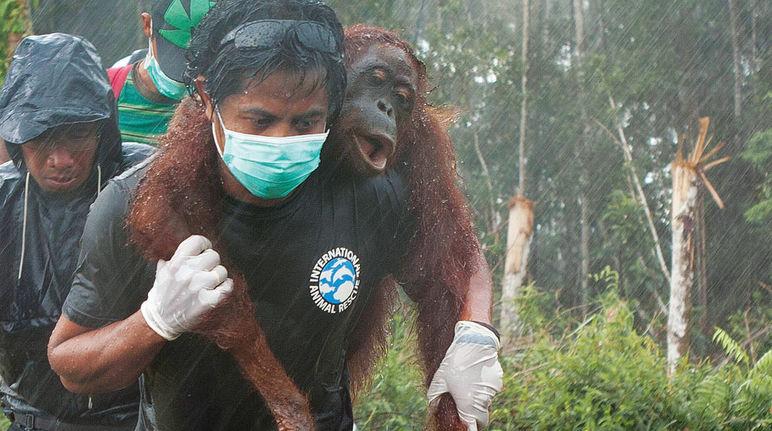
For orangutans, that habitat loss is catastrophic. These apes do not just “live near trees” — they depend on large, connected areas of rainforest for food, nesting, movement and breeding. WWF says orangutans are now found only on Borneo and Sumatra, after once being spread far more widely across south-east Asia. Their biggest threat is the large-scale loss and fragmentation of forest caused by logging, agricultural expansion, especially palm oil plantations, and infrastructure development.
“When the forest disappears, so does their future.”
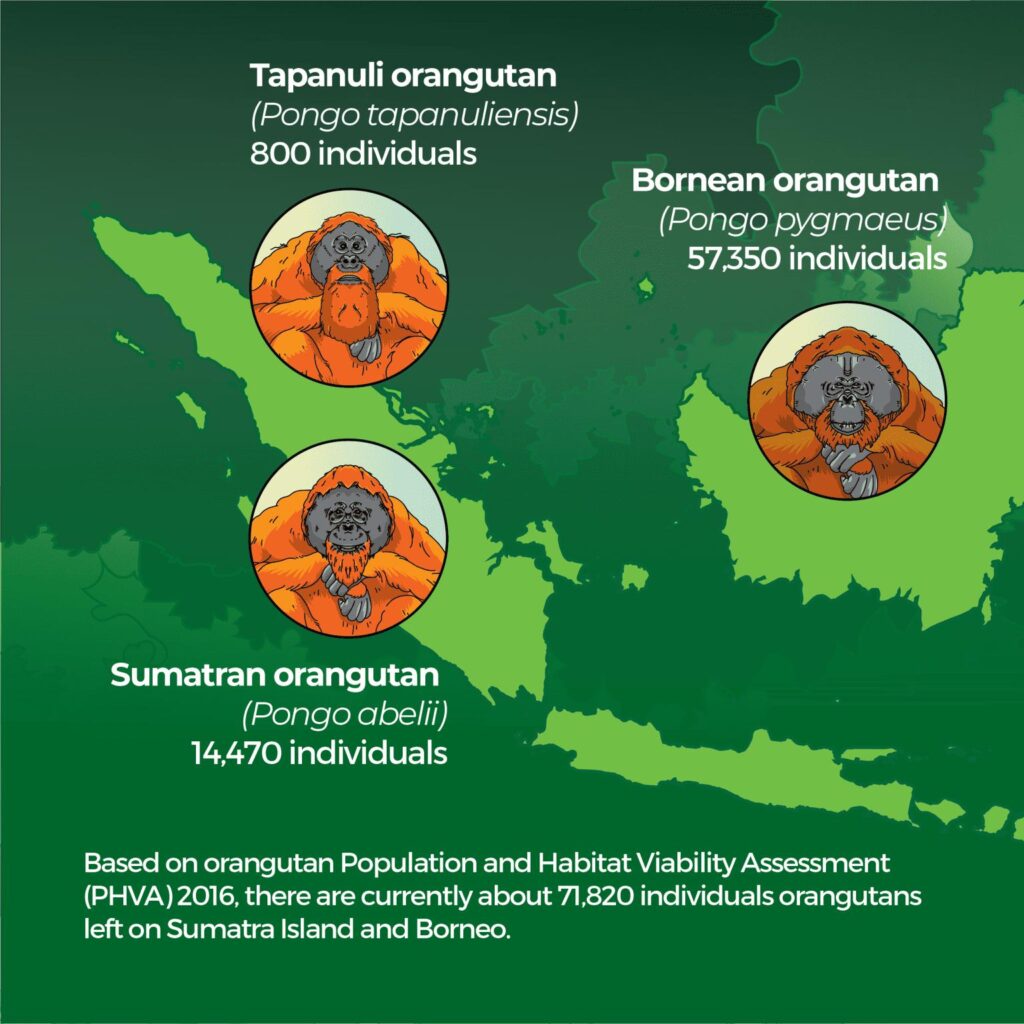
The scale of the crisis is severe. WWF says there are about 104,700 Bornean orangutans left in the wild, fewer than 14,000 Sumatran orangutans, and less than 800 Tapanuli orangutans. All three species are classed as critically endangered. The Tapanuli orangutan, found only in a small area of Sumatra, is considered the most endangered great ape on the planet.
Scientists have also measured the losses in brutal numbers. A widely cited 2018 study in Current Biology estimated that more than 100,000 Bornean orangutans were lost between 1999 and 2015. The most severe declines happened where habitat was removed, but researchers also found many orangutans were lost from forests that remained, showing that deforestation often triggers wider pressures like hunting, conflict and displacement rather than a simple one-for-one loss of trees.
“This isn’t a slow decline — it’s a collapse happening in real time.”
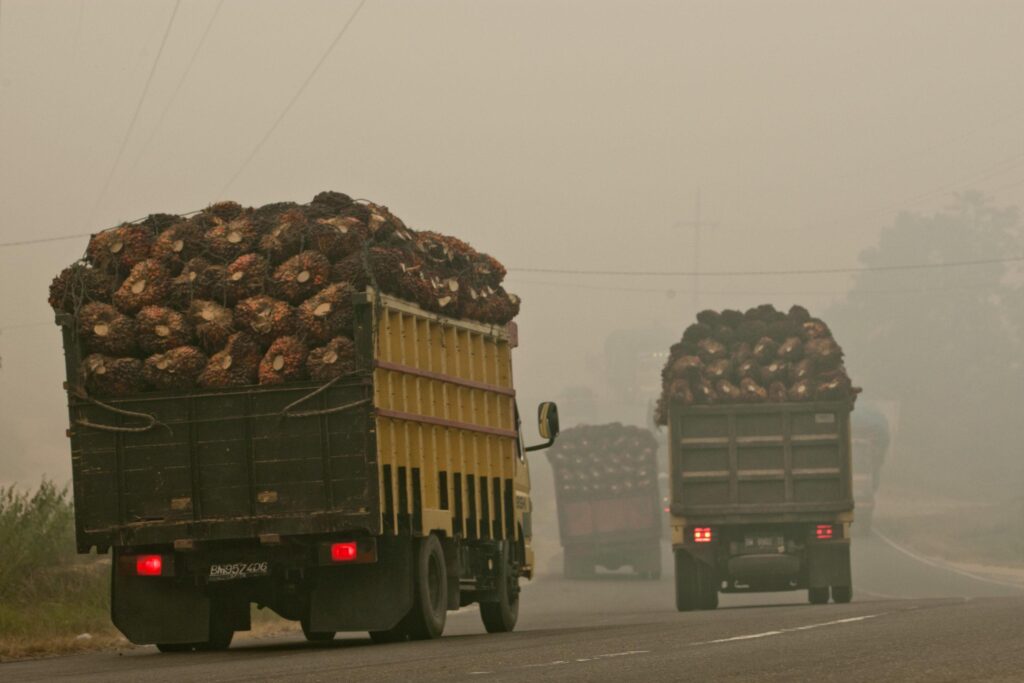
That is what makes palm oil so devastating for orangutans. When rainforest is cleared for plantations, the animals do not simply move on to a safe new home. They are pushed into shrinking fragments of forest, isolated from mates and food sources, or forced into plantation land and villages where they are more likely to be treated as pests. Conservation groups say displaced, hungry orangutans often enter plantation areas in search of food, where they can be injured, killed or captured.
The destruction does not stop with trees being cut down. WWF warns that forest loss linked to palm oil often goes hand in hand with the drainage and conversion of carbon-rich peatlands, which releases huge amounts of greenhouse gases. That means the same supply chain damaging orangutan habitat can also worsen climate change, creating another long-term threat to tropical ecosystems.
“What starts in the rainforest doesn’t stay there — it affects the entire planet.”
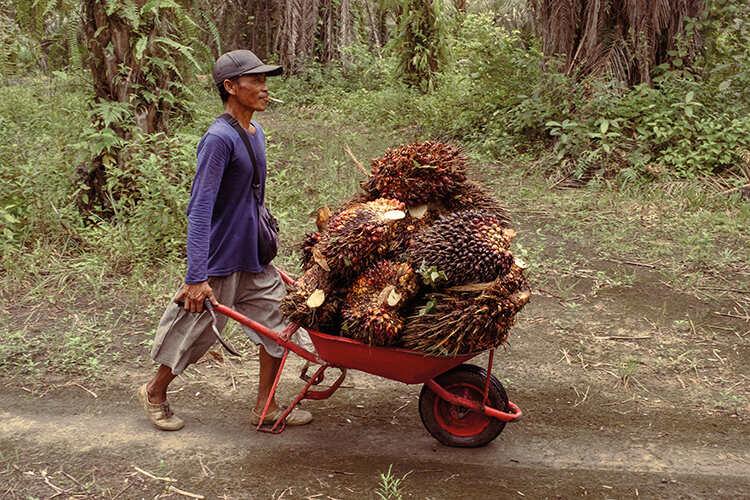
There is another uncomfortable truth here too: palm oil is not disappearing from the global economy any time soon. In fact, one reason the issue is so complicated is that palm oil is an extremely efficient crop. Our World in Data says palm oil produced 36% of the world’s vegetable oil in 2017 while using only 8.6% of the land devoted to vegetable oils. WWF has also warned that replacing palm oil entirely with other oils could require 4 to 10 times more land, potentially shifting deforestation elsewhere rather than solving it.
That is why many conservation groups argue that a blanket boycott is not the smartest answer. WWF says boycotting palm oil is not the answer and instead urges faster action to clean up the industry, protect forests and increase the use of genuinely sustainable palm oil. The case they make is simple: the world is likely to keep using vegetable oils, so the battle should be about stopping destructive production, not pretending demand will vanish overnight.
“The goal isn’t to remove palm oil — it’s to remove the destruction behind it.”

The Roundtable on Sustainable Palm Oil, known as RSPO, was created to push the sector in that direction. RSPO says sustainably produced palm oil should reduce negative environmental and social impacts, while WWF and orangutan organisations say certified production can help protect high-conservation-value forest and sensitive wildlife habitat. Critics, however, have long argued that certification alone is not enough unless it is properly enforced, independently audited and matched by stronger government action.
Governments have also started tightening the rules. The European Parliament approved a law requiring companies to ensure products sold in the EU are not linked to deforestation and forest degradation, covering commodities including palm oil. That matters because laws aimed at supply chains can hit the problem higher up the ladder, putting pressure on importers and big brands rather than leaving ordinary shoppers to decode labels on their own.
“Real change will come from fixing the system — not ignoring it.”
The Question That Matters
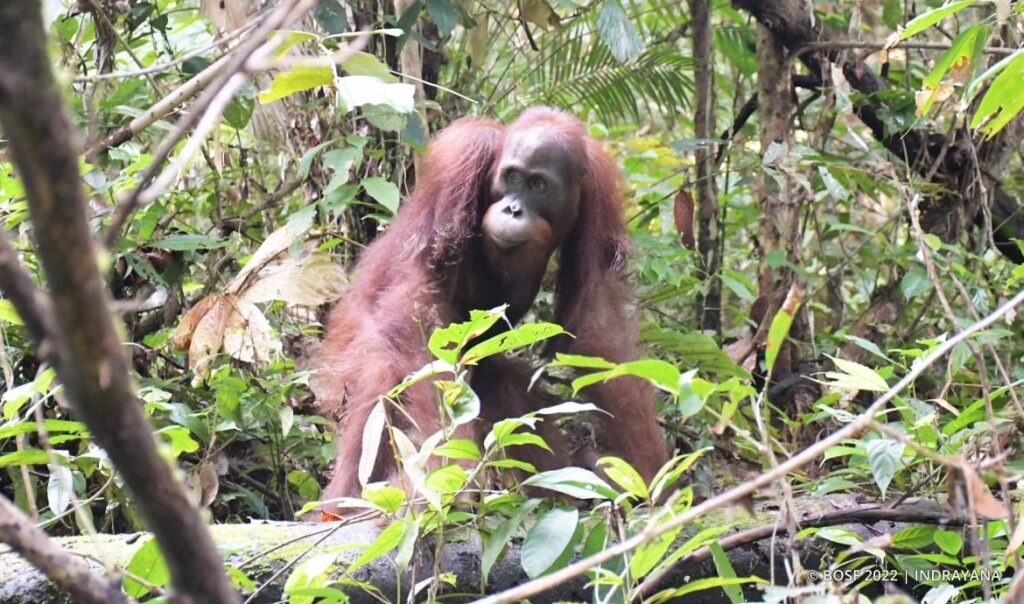
For orangutans, time is running out.
Habitat loss remains the single biggest pressure, and the species is also hit by hunting, illegal capture, fires, roads and wider human encroachment. More than half of orangutans are thought to live outside protected areas, often in landscapes controlled by timber, palm oil and mining companies, which makes them especially vulnerable when economic pressure rises.
This is why stories about palm oil in everyday products matter so much. They are not just food-label stories. They are stories about a global system where a cheap ingredient in a chocolate bar or cosmetic product can be tied to a chain of consequences thousands of miles away: rainforest cleared, peatlands drained, wildlife displaced, mothers separated from young, and one of our closest living relatives pushed closer to extinction. That link is what turns palm oil from a supermarket issue into a wildlife emergency.
The public conversation often gets reduced to a simple question: “Does this product contain palm oil?” The harder and more honest question is: “Where did that palm oil come from, and what happened to the forest that was there before?” Until the answer to that changes at scale, orangutans will keep paying the price for the world’s appetite for cheap, versatile ingredients.
“Every product tells a story — the question is whether we choose to see it.”



Honestly this is one of those articles that makes you stop and think. I had no idea palm oil was in so many everyday products, and the link to orangutans is actually shocking when you see it laid out like this. It’s mad to think something as simple as buying chocolate or shampoo could be connected to rainforest destruction on the other side of the world.
What really got me is that it’s not even a simple “just stop using it” situation either. Makes you realise how complicated the whole thing is and how much responsibility is actually on big companies to sort this out properly.
Definitely going to start paying more attention to labels after reading this.